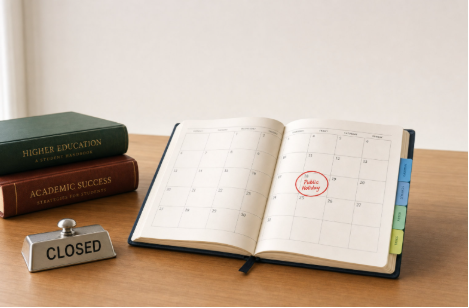
Public holidays play a critical role in determining how educational institutions operate throughout the year. Their influence extends far beyond simple closures, affecting academic planning, campus operations, and student well-being. These dates introduce complexities that require robust coordination and careful decision-making by administrators and staff.
When considering public holidays, it is important to distinguish them from scheduled academic breaks and internal term recesses. They affect the entire education system by requiring closures, rescheduling, and extra planning to meet required instructional time. For students and faculty alike, these holidays introduce logistical challenges and influence the flow of both teaching and non-academic activity. Understanding the impact public holidays have on schools and universities helps ensure that the academic calendar remains both equitable and functional, and the schedule of school holidays by federal state in Germany can be found on the website.
Defining public holidays versus academic term breaks
Public holidays are nationally or regionally recognized dates when institutions like schools and universities must close across the board. Unlike winter or spring term recesses, which are planned by the institution, these holidays are externally mandated and often apply to all sectors, not just education.
This distinction leads to system-wide scheduling constraints for educational institutions. Institutions must adjust teaching plans, administrative operations, and campus services in advance to comply with legal requirements while maintaining academic continuity.
Designing academic calendars around fixed interruptions
Meeting mandatory instructional days and contact hours is a key challenge when public holidays fall during term time. Most institutions redistribute lost class time by scheduling make-up sessions or shifting term dates, striving to ensure compliance with regulatory bodies.
When these changes occur, equity becomes a concern, particularly for students who balance job commitments or caregiving duties outside of class. Families with responsibilities across multiple institutions may also find coordination difficult when public holidays occur at different times.
Operational and instructional impacts across campuses
Public holidays affect all levels of campus activity, with staffing, overtime regulations, and labor agreements shaping who is present and what services are available. Facilities teams must adapt maintenance schedules, and security planning is reviewed to reflect lower campus occupancy during closures.
Dining services, transportation, library access, and student services must all create continuity plans. These efforts help reduce confusion and support students who might have limited resources or housing stability during institutional closures.
Ongoing strategies for supporting students and staff
Teaching and assessment schedules are frequently disrupted by public holidays, resulting in shifted deadlines, rescheduled exams, or modified lab sessions. Instructors and administrative staff use detailed communication strategies to minimize confusion, especially around clinical placements and internships that cannot easily pause.
Supporting student well-being is a year-round concern, as some may struggle when routines are interrupted by breaks. International students or those observing additional cultural holidays may need further assistance to navigate overlapping closures, highlighting the need for thoughtful, transparent academic planning.