Industrial motors often experience high electrical and mechanical stress during startup. Soft starters provide controlled acceleration by gradually increasing voltage supplied to the motor. This method can reduce inrush current, torque shocks, voltage disturbances, and mechanical wear. These benefits are valuable across U.S. industrial facilities using pumps, conveyors, fans, compressors, and other full-speed machinery. Technical guidance from GoHz explains that controlled starting can reduce network voltage drops and mechanical stress. The technology is especially useful when motors normally operate at full speed after startup. It provides smoother starting without requiring continuous variable-speed control throughout the production process.
What Are Soft Starters and How Do They Work?
A soft starter is an electronic motor control device installed between the power supply and motor. It uses semiconductor switching devices to control voltage during acceleration. Instead of applying full voltage immediately, it gradually increases voltage from an initial level. This controlled ramp allows the motor to accelerate more smoothly toward normal operating speed. Modern equipment can provide current limiting, overload protection, torque control, communication, and controlled stopping. Some units also include bypass contactors that reduce heat generation after acceleration. These functions make the technology suitable for many industrial motor applications. However, correct selection and configuration remain essential for achieving reliable acceleration and protecting the connected equipment.
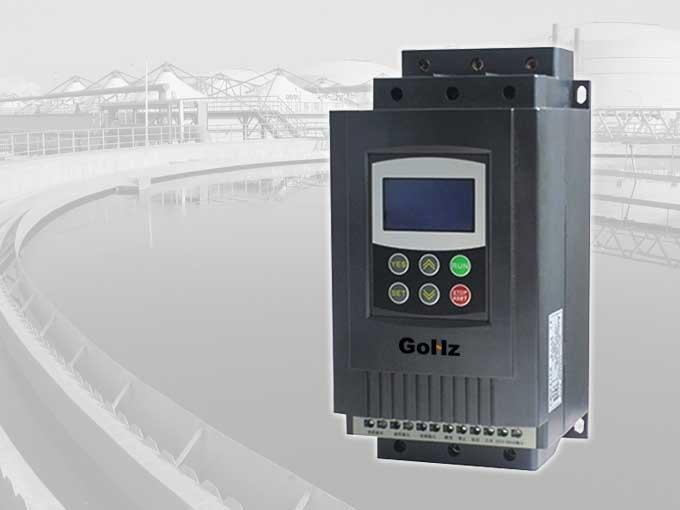
How Controlled Starting Reduces Electrical Stress
Direct-on-line starting can create a large inrush current when an induction motor starts. That sudden electrical demand may cause voltage dips across an industrial power network. The problem can become more noticeable when several large motors operate within one facility. A controlled starting method gradually increases motor voltage and limits sudden current demand. GoHz AC Power Supply explains that reducing starting current can help prevent voltage drops on the network. This can support more stable operation for nearby electrical equipment and sensitive controls. Current limiting can also be useful where electrical capacity is restricted. However, excessive current limitation may prevent heavily loaded motors from accelerating properly, so settings should match the motor and load.
Major Benefits of Soft Starters for Industrial Motors
The main advantage comes from controlling acceleration instead of applying full voltage instantly. This controlled process can reduce electrical stress and mechanical shock throughout the starting cycle. Industrial operators may also benefit from smoother stopping, particularly with pumps and conveyors. Modern units can provide application-specific functions that support motor protection and process reliability. GoHz identifies reduced starting current, lower mechanical wear, easier installation, and improved motor reliability as important benefits. However, performance depends on motor size, load torque, starting frequency, and electrical conditions. Facility engineers should therefore evaluate the complete motor system before installation. A correctly selected unit can become an important part of an industrial motor control strategy.
1. Lower Inrush Current During Startup
Large motors can draw significant current when connected directly to full line voltage. A controlled voltage ramp reduces the initial electrical demand and allows current to increase progressively. This can help minimize voltage disturbances affecting other equipment. It can also make motor startup more predictable across demanding industrial operations. Current limiting becomes particularly useful for heavy-duty starts or weaker electrical networks. GoHz notes that current-limit functions can help manage difficult starting conditions and restricted network capacity. The actual current reduction varies according to motor characteristics, load conditions, and programmed settings. Therefore, engineers should use manufacturer data and application calculations instead of assuming a universal percentage reduction for every installation.
2. Reduced Mechanical Shock and Equipment Wear
Motor starting creates torque that travels through shafts, couplings, belts, gears, pumps, and other components. Abrupt torque can produce mechanical shock throughout the driven system. A controlled acceleration profile allows torque to increase more gradually during startup. This can reduce stress on mechanical connections and moving components. GoHz technical documentation describes reduced torque impulses as a way to minimize mechanical stress and wear. The benefit can be especially valuable for equipment with high inertia or long mechanical transmission systems. Reduced stress does not remove the need for maintenance. However, smoother operation can support more predictable component performance and potentially reduce maintenance demands over extended operating cycles.
3. Smoother Stopping for Pumps and Conveyors
Controlled stopping can provide important benefits beyond motor startup. Rapid pump shutdown can produce pressure changes known as water hammer. These pressure surges can stress pipes, valves, seals, and other hydraulic components. A controlled stopping ramp gradually reduces motor output and can help moderate these changes. GoHz specifically identifies soft stopping and torque control as useful features for pump applications. Conveyors may also benefit because sudden stopping can shift, damage, or spill transported materials. The appropriate stopping profile depends on the application, load inertia, piping system, and production requirements. Proper programming can therefore improve process behavior while reducing unnecessary stress on connected equipment during shutdown cycles.
Industrial Applications Where Soft Starters Work Well
Many U.S. industrial facilities use large motors for equipment that operates continuously or frequently. Typical applications include water pumps, wastewater systems, HVAC fans, air compressors, conveyors, crushers, and mills. These systems often require full-speed operation after acceleration rather than continuous speed adjustment. That makes controlled starting particularly practical for many applications. GoHz lists pumps, fans, compressors, and conveyors among common applications. Advanced products can also provide pump-specific functions, motor protection, communication capabilities, and process monitoring. Choosing the right technology requires consideration of load type, motor rating, starting frequency, environmental conditions, and required protection. The goal is to match the motor control method with actual operating requirements.
How Soft Starters Support Motor Reliability
Repeated high-current starts can contribute to electrical and thermal stress inside a motor. Mechanical shocks can also affect bearings, couplings, belts, and driven machinery. Controlled starting addresses both electrical and mechanical aspects of acceleration. Modern devices may combine starting control with overload, underload, locked-rotor, and other protection functions. GoHz states that advanced products can include multiple protection features for different motor and network conditions. These functions should complement, rather than replace, proper electrical protection and preventive maintenance. Motor alignment, lubrication, cooling, insulation condition, and appropriate loading remain important. When all these elements work together, controlled starting can support dependable motor operation and help industrial facilities manage equipment more effectively.
Energy, Installation, and Maintenance Considerations
A soft starter should not automatically be considered an energy-saving replacement for every motor control system. Its primary purpose is controlled starting and stopping, while variable frequency drives are designed for speed control. When a motor operates continuously at full speed, controlled starting can provide useful acceleration management without continuous speed regulation. Built-in bypass arrangements can reduce heat generation and losses after the motor reaches operating speed. Compact designs can also simplify control-panel layouts and installation. Maintenance savings may occur when mechanical stress and starting disturbances are reduced. Still, lifecycle performance depends on operating hours, starts per hour, load profile, maintenance practices, electrical costs, and overall equipment design.
Soft Starters vs. Direct-On-Line and VFD Systems
Direct-on-line starting is simple and economical, but it applies full voltage immediately. This approach can create high starting current and torque, making it more suitable where the electrical network and mechanical system can tolerate those effects. A variable frequency drive provides broader speed and torque control for applications requiring variable-speed operation. A soft starter occupies an intermediate position for many full-speed applications. GoHz describes this technology as a practical option between direct-on-line or star-delta starting and variable-speed drives in appropriate applications. The correct choice depends on whether the facility needs controlled starting, variable speed, precise process control, or a combination of functions.
Selecting the Right Soft Starter for an Application
Engineers should consider the following factors when selecting a soft starter:
- Motor Voltage: Ensure the soft starter matches the motor’s rated voltage.
- Full-Load Current: Check the motor’s full-load current to ensure proper sizing.
- Load Type: Consider whether the application involves pumps, conveyors, compressors, fans, or other loads.
- Starting Torque: Select a unit capable of providing sufficient torque for reliable motor acceleration.
- Acceleration Time: Review the required starting and acceleration duration for the application.
- Ambient Temperature: Consider operating temperatures because high heat can affect performance.
- Altitude: Account for high-altitude installations where cooling efficiency may be reduced.
- Starts Per Hour: Check the expected number of motor starts to prevent excessive thermal stress.
- Heavy-Duty Requirements: Heavy-duty applications may require additional capacity or specialized configurations.
- Starting Profile: Choose a starting profile that provides adequate torque while limiting unnecessary current demand.
- Manufacturer Selection Tools: Use manufacturer sizing tools to evaluate motor and application characteristics.
- Correct Sizing: Proper sizing helps reduce nuisance trips, overheating, failed starts, and equipment stress.
- Professional Assessment: Large or critical industrial installations should receive professional electrical evaluation.
Installation and Maintenance Best Practices
Correct installation is essential for dependable long-term performance. Electrical connections should follow manufacturer wiring diagrams, ratings, grounding requirements, clearances, and protection instructions. Technicians should verify motor information before configuring acceleration and stopping parameters. During commissioning, teams should monitor current, acceleration time, motor temperature, vibration, and driven-equipment behavior. Maintenance should include inspection of terminals, ventilation paths, bypass components, protection settings, and fault records. Industrial environments may also require suitable protection against dust, moisture, heat, or corrosive conditions. Proper documentation is equally important because recorded settings help technicians troubleshoot future problems. Regular inspections can identify abnormal conditions before they develop into expensive motor or production failures.
Key Factors Before Implementing a Motor Starting Solution
Before installation, facility teams should evaluate the electrical network, motor characteristics, load behavior, and production requirements. A successful motor soft starting solution depends on matching the control method with the complete application. Consider these practical factors:
- Confirm motor voltage, current, horsepower, and service conditions.
- Determine starting torque and required acceleration time.
- Review expected starts per hour and duty cycle.
- Check electrical capacity and potential voltage-drop concerns.
- Select appropriate protection and communication features.
- Verify enclosure requirements for the installation environment.
- Test acceleration and stopping during commissioning.
- Document settings for future maintenance and troubleshooting.
Frequently Asked Questions
Why should industrial motors use controlled starting?
Controlled starting can reduce inrush current, torque shocks, and electrical disturbances. It may also reduce mechanical stress during repeated startup cycles. Actual results depend on the motor, load, network, and selected settings.
What is the main purpose of a soft starter?
The main purpose is controlling motor acceleration and deceleration. It gradually applies or removes voltage instead of switching abruptly. This approach can produce smoother operation and reduce starting stress.
How does controlled starting reduce motor stress?
The device gradually increases motor voltage during acceleration. This limits sudden current and torque changes compared with direct-on-line starting. Reduced shock can support reliable operation.
Where are soft starters commonly used?
Common applications include pumps, conveyors, fans, compressors, crushers, and other full-speed industrial equipment. They are especially useful when smooth starting and stopping are important.
Why choose this technology instead of a VFD?
It can be suitable when a motor normally operates at full speed. A VFD is generally better when continuous speed adjustment or precise speed control is required. The application should determine the final selection.